







Complete Beginner’s Guide to the Global Currency Market
Thank you for reading this post, don't forget to subscribe!Forex trading is one of the most popular ways to earn money through the financial markets. With over $7.5 trillion traded daily, the Forex market (Foreign Exchange Market) is the world’s largest and most liquid financial market. Whether you’re a beginner or expanding your financial knowledge, understanding Forex is essential in today’s global economy.
In this guide, we will explore how Forex works, major currency pairs, trading strategies, and essential skills inspired by financial market courses such as those by Madhur Singh, covering stock, bond, forex, commodity, crypto, derivatives, and financial risk assessment.
✅ What Is Forex Trading?
Forex (Foreign Exchange) trading is the process of buying one currency while selling another simultaneously. All trading happens through currency pairs such as EUR/USD, GBP/USD, USD/JPY, etc.
Example:
If you believe the Euro (EUR) will strengthen against the US Dollar (USD), you buy EUR/USD.
If the Euro rises, you profit.

✅ Why Forex Trading Is Important in Today’s Economy
✔ Runs 24 hours a day
✔ Highly liquid and fast-moving
✔ Accessible for beginners
✔ Allows small investments
✔ Influenced by global economic events
Forex plays a major role in international trade, tourism, global investments, and financial stability.
✅ How the Forex Market Works
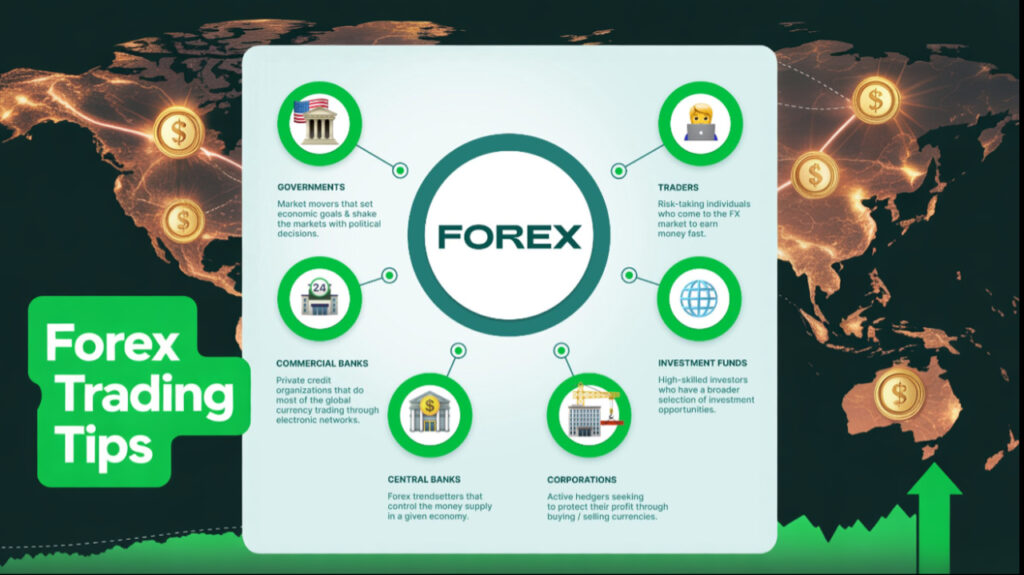
The Forex market operates through:
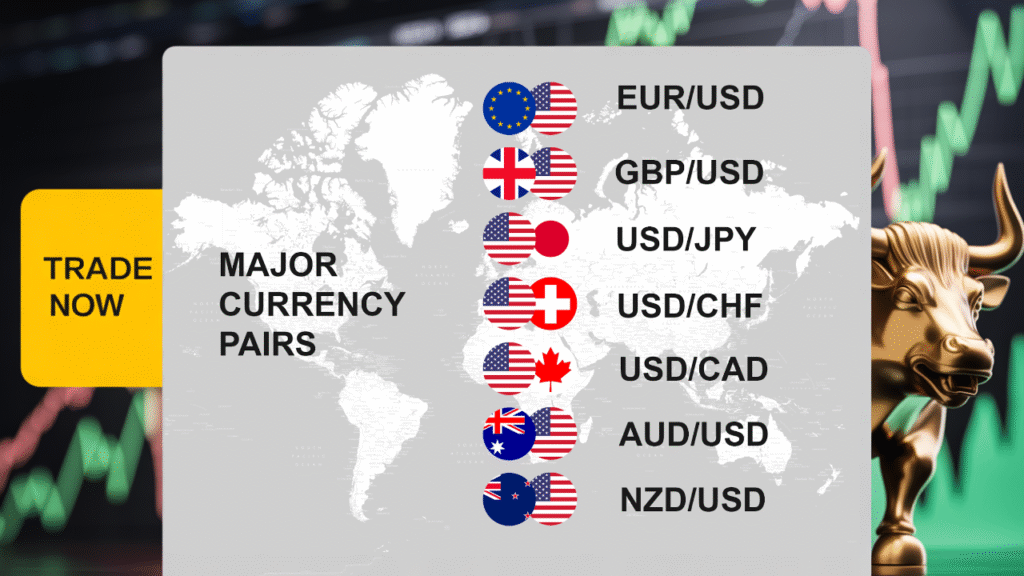
✅ 1. Major Currency Pairs
These are the most traded currencies in the world:
- EUR/USD (Euro/US Dollar)
- GBP/USD (British Pound/US Dollar)
- USD/JPY (US Dollar/Japanese Yen)
- USD/CHF (US Dollar/Swiss Franc)
✅ 2. Market Participants
- Banks and financial institutions
- Hedge funds
- Retail traders
- Governments and central banks
- Corporations
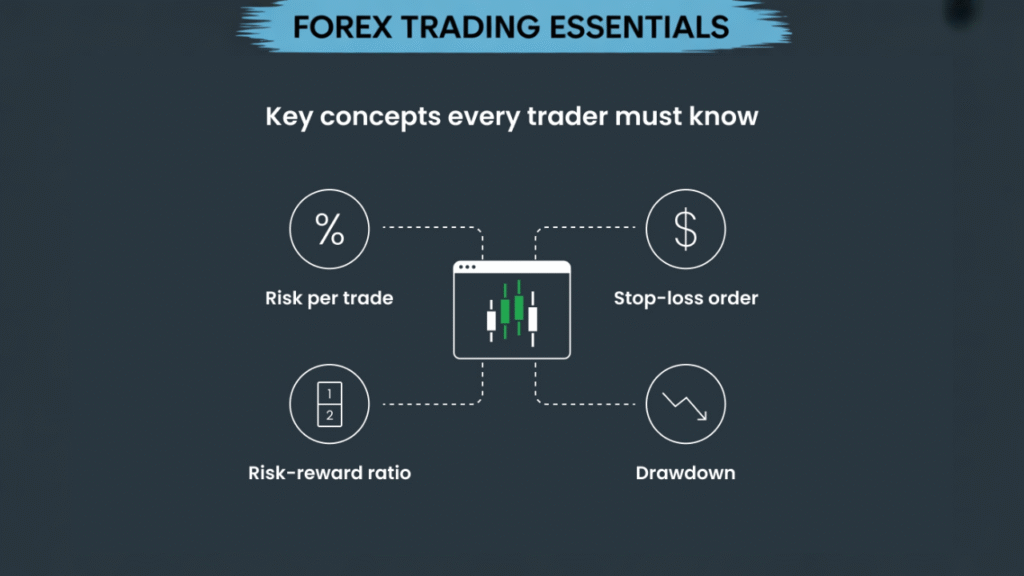
✅ Key Concepts Every Forex Trader Must Know
✅ Spread
Difference between buying (ask) and selling (bid) prices.
✅ Leverage
Allows traders to control big positions with a small deposit.
(Example: 1:100 leverage lets you trade $1,000 with just $10.)
✅ Pips & Lot Sizes
- Pip: smallest price movement
- Lot: trading volume (micro, mini, standard)
✅ Technical vs. Fundamental Analysis
- Technical: charts, indicators, trends
- Fundamental: news, economy, interest rates
✅ Forex Trading Strategies (Beginner Friendly)
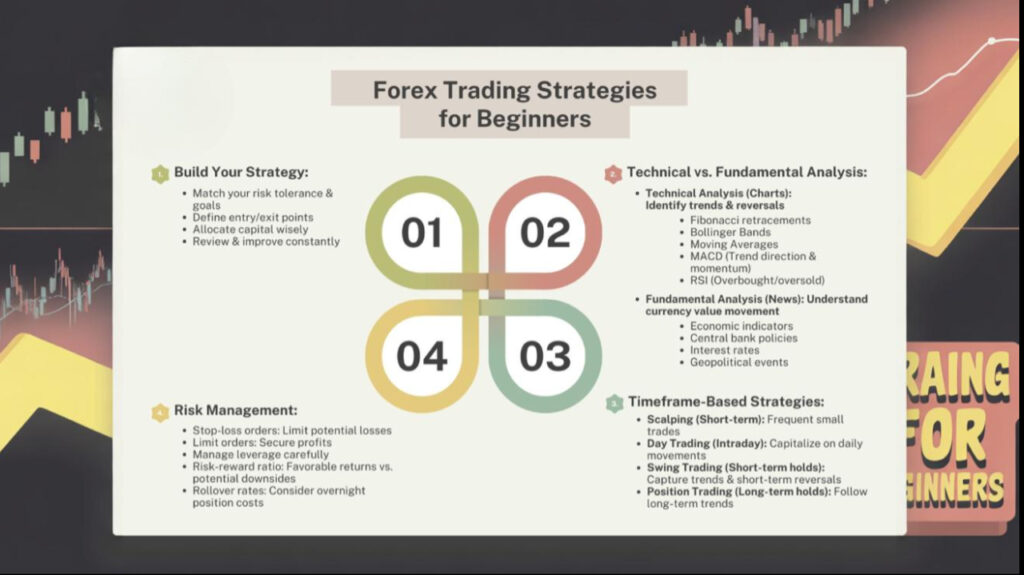
✅ 1. Trend Trading
Trade in the direction of the market trend.
✅ 2. Breakout Strategy
Enter when price breaks key support/resistance.
✅ 3. Scalping
Small, quick trades for tiny profits—high risk and fast-paced.
✅ 4. Swing Trading
Hold trades for days, focusing on medium-term moves.
✅ Benefits of Forex Trading
✅ Low starting capital
✅ Flexible trading times
✅ High liquidity
✅ Easy to learn with free online resources
✅ Opportunities in both rising and falling markets
✅ Risks of Forex Trading
⚠ High volatility
⚠ Losses can exceed deposits with leverage
⚠ Emotional trading can cause losses
⚠ Requires proper risk management
Tip: Never risk more than 1–2% of your capital in a single trade.
✅ Essential Skills You Will Gain (Inspired by Financial Market Courses)
- Understanding Forex, bonds, stocks & derivatives
- Trading strategy development
- Asset valuation
- Exchange navigation
- Risk assessment
- Commodity & crypto knowledge
These skills together build a strong trading foundation.
✅ How to Start Forex Trading (Step-by-Step)
- Choose a regulated Forex broker
- Create a demo account
- Learn trading basics
- Practice with charts and indicators
- Apply risk management
- Start small and grow slowly
✅ Final Thoughts
Forex trading is a powerful opportunity for anyone wanting to enter the financial market. With the right knowledge, strategy, and risk management, beginners can confidently take their first steps into the world of currency trading.
Whether you’re learning stock markets, bonds, commodities, cryptocurrencies, or derivatives, mastering Forex provides a strong base for all financial market activities.
- How to Get a Job in Dubai A Complete Guide
- How to Get Work Visa in Dubai: The 6-Step Process
- New Hotel in Dubai Announces Multiple Job Vacancies – Apply Now
- Video Editor & Motion Graphics Specialist Jobs in Dubai UAE
- E-commerce Specialist Jobs in Dubai


