


Entering the field of IT and Cyber Security can be both exciting and challenging. With the increasing need for cybersecurity professionals, now is a great time to start your career. Here’s a step-by-step guide to help you transition into the IT and Cyber Security industry after earning your bachelor’s degree.
Thank you for reading this post, don't forget to subscribe!

Assess Your Interest and Skills
Before diving into the field, it’s important to evaluate your interest in various areas of IT and Cyber Security. The industry encompasses a broad range of specializations, each requiring different skills and aptitudes. Here are some common areas to consider:
Network Security
Network security involves protecting a computer network from intruders, whether targeted attackers or opportunistic malware. As a network security specialist, you’ll be responsible for implementing measures like firewalls, VPNs, and anti-virus systems to safeguard data integrity and privacy.
Application Security


Application security focuses on protecting software applications from threats. This includes writing secure code, conducting security testing, and responding to incidents. Application security professionals ensure that software is free from vulnerabilities that could be exploited by hackers.
Cloud Security

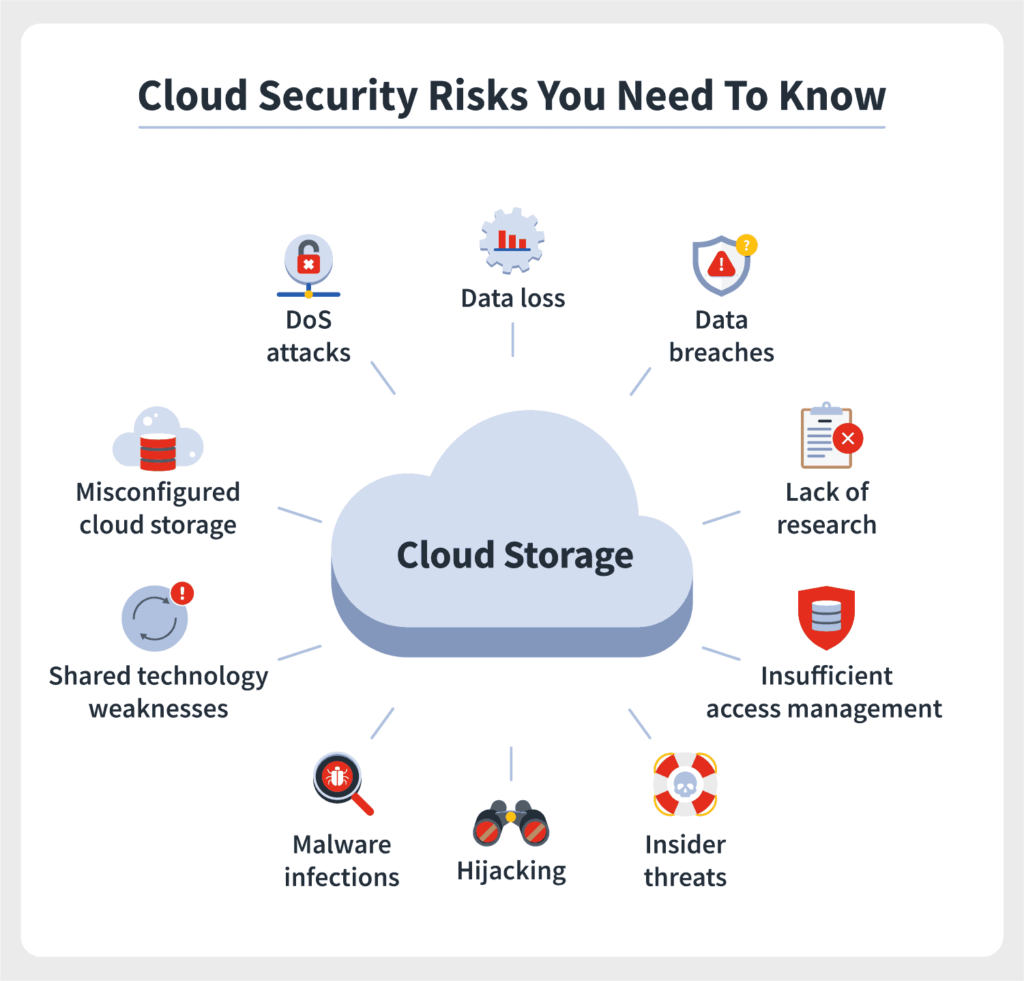
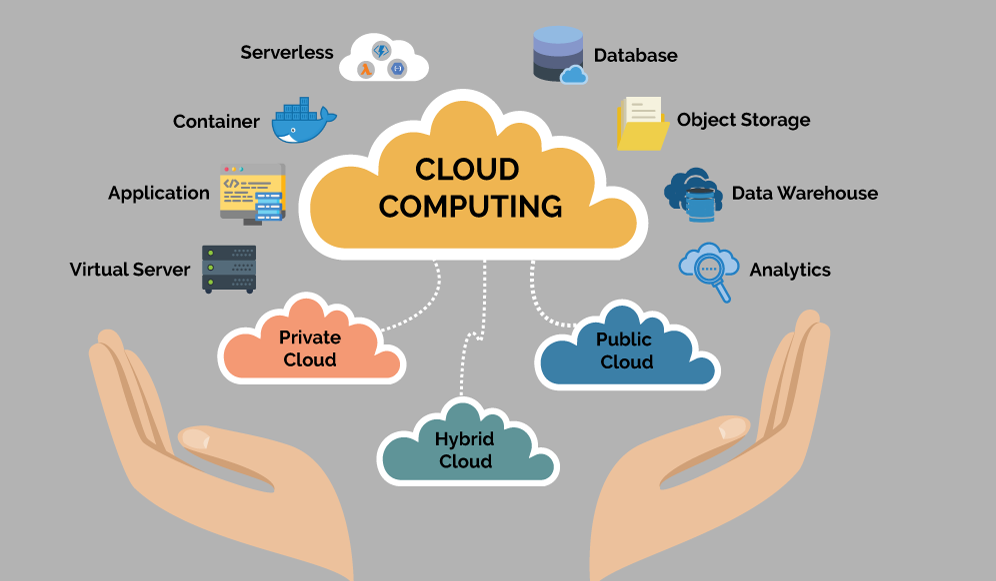
With the growing adoption of cloud services, cloud security has become a crucial aspect of cybersecurity. This field involves securing data, applications, and services in the cloud. Cloud security experts work to ensure that cloud infrastructure is protected against data breaches and other cyber threats.
Ethical Hacking


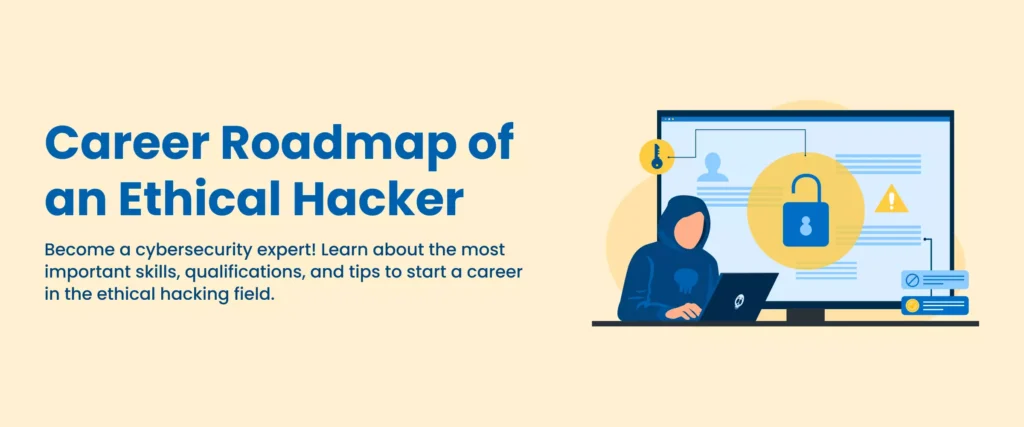
Ethical hackers, also known as penetration testers, use their skills to identify vulnerabilities in systems and networks before malicious hackers can exploit them. By performing authorized attacks, they help organizations strengthen their defenses.
Forensics


Digital forensics involves investigating cyber incidents and breaches to uncover the details of an attack. Forensic analysts collect and analyze data from affected systems to determine the cause of a breach, identify perpetrators, and assess the extent of the damage.
Identifying your strengths and interests will help you focus on a specific career path within Cyber Security.
Gain Relevant Certifications
Certifications can significantly boost your qualifications and credibility in the field of Cyber Security. They demonstrate your knowledge and skills to potential employers and can open doors to advanced career opportunities. Some of the most recognized certifications in Cyber Security include:
CompTIA Security+
CompTIA Security+ is a fundamental certification that covers essential principles for network security and risk management. It’s ideal for beginners and provides a strong foundation in cybersecurity concepts and practices.
Certified Ethical Hacker (CEH)
The Certified Ethical Hacker (CEH) certification focuses on understanding and identifying vulnerabilities in networks and systems. It teaches you how to think like a hacker and use the same tools and techniques to secure systems.
Certified Information Systems Security Professional (CISSP)
The CISSP certification is an advanced credential for experienced security practitioners. It covers a wide range of topics, including security and risk management, asset security, and software development security.

Certified Information Security Manager (CISM)
The CISM certification focuses on managing and governing an enterprise’s information security program. It’s designed for professionals responsible for developing and managing an organization’s security strategy.
Build Practical Experience
Gaining hands-on experience is crucial in the IT and Cyber Security field. Practical experience not only enhances your skills but also makes you more attractive to potential employers. Consider the following ways to build experience:

Internships
Seek internships with IT companies or organizations with a strong cybersecurity focus. Internships provide valuable real-world experience and can often lead to full-time employment opportunities.
Volunteer Work
Offer to help local businesses or nonprofits with their cybersecurity needs. Volunteering not only helps you gain experience but also builds your professional network.
Personal Projects
Set up your own lab environment at home to practice different security techniques and tools. Building your own projects allows you to experiment and learn in a hands-on setting.
Network with Professionals
Networking can open up many opportunities in the Cyber Security field. By connecting with professionals, you can gain insights, find mentors, and discover job opportunities. Join professional organizations and attend industry events to build your network:
ISACA
ISACA provides resources and networking opportunities for IT governance professionals. Joining ISACA can help you stay informed about industry trends and connect with other professionals.
(ISC)²
(ISC)² offers professional development and networking through its chapters. Becoming a member allows you to access valuable resources and connect with peers in the cybersecurity community.
Meetup Groups
Look for local cybersecurity or IT groups to join and attend events. Meetup groups provide a platform for networking, sharing knowledge, and learning from others in the field.
Apply for Entry-Level Positions
When starting out, look for entry-level positions that can provide foundational experience. Tailor your resume to highlight relevant coursework, certifications, and any practical experience you have gained. Some entry-level positions to consider include:
Security Analyst
Security analysts monitor an organization’s systems for security breaches and investigate violations when they occur. They install and use software to protect sensitive information and prepare reports documenting their findings.
Network Administrator
Network administrators manage and maintain an organization’s computer networks. They ensure the network runs smoothly and securely, implementing and managing security measures.
IT Support Specialist
IT support specialists provide help and advice to computer users and organizations. They support the organization’s IT infrastructure, addressing security issues as they arise.
Junior Penetration Tester
Junior penetration testers assist in conducting penetration tests to identify and exploit security vulnerabilities in an organization’s systems and networks. They work under the supervision of senior testers to learn the ropes of ethical hacking.
Stay Current with Industry Trends
Cybersecurity is a rapidly evolving field. Staying up-to-date with the latest trends, threats, and technologies is essential for success. Here are some ways to keep current:
Reading Industry Blogs
Follow blogs like Krebs on Security, Schneier on Security, and Dark Reading. These blogs provide insights into the latest cybersecurity news, trends, and best practices.
Attending Conferences
Participate in events like Black Hat, DEF CON, and RSA Conference. These conferences offer opportunities to learn from experts, network with peers, and stay informed about industry advancements.
Continuing Education
Take advanced courses and pursue additional certifications as needed. Continuing education helps you stay relevant in the field and enhances your expertise.
Conclusion
Starting a career in IT and Cyber Security after your bachelor’s degree involves a combination of education, certification, practical experience, and networking. By following these steps, you can position yourself for a successful and fulfilling career in this dynamic field. Embrace the challenges and opportunities, and stay committed to continuous learning and growth.

